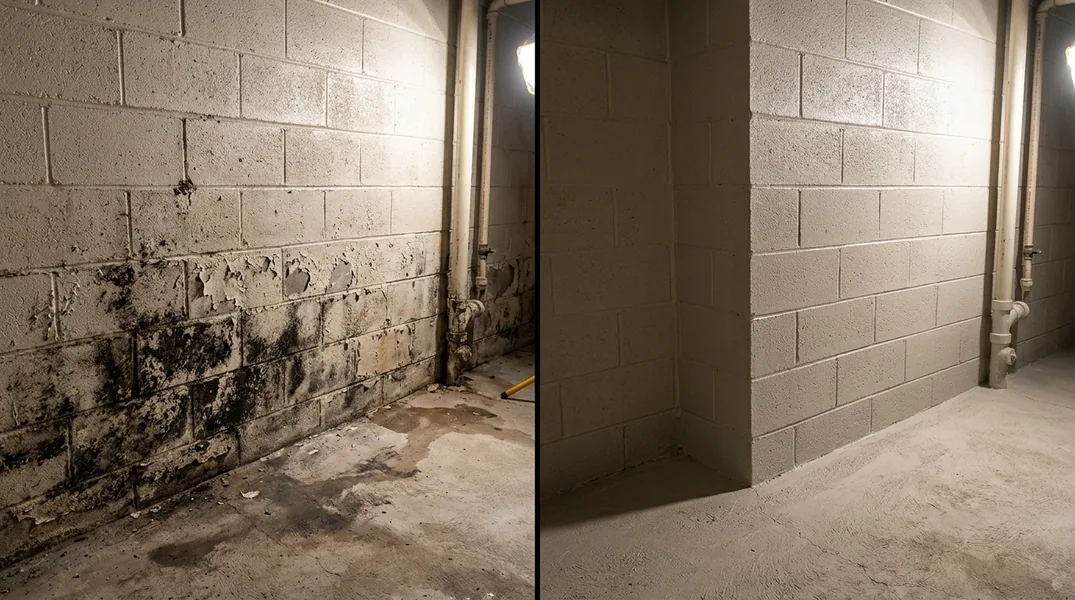
Understanding Memphis Waterproofing Methods: Interior vs Exterior
If you own a home in Memphis, you know that our clay-heavy soil and intense spring storms can put serious pressure on your foundation. When water finds its way into your basement or crawl space, you are faced with a common question: should you waterproof from the inside or the outside? Both approaches are legitimate Basement Waterproofing strategies, but they solve different problems and come with different trade-offs. Understanding the basics of interior vs exterior waterproofing is the first step toward choosing the right solution for your home and your budget.
In simple terms, exterior waterproofing stops water before it ever reaches your foundation walls. Interior waterproofing manages water that has already entered the block or has collected around the footing. Neither method is universally better. The right choice depends on the age of your home, the severity of the leak, your landscaping, and how long you plan to stay. In this guide, we break down the most common Memphis waterproofing methods, compare drain tile vs exterior membrane systems, and explain what a realistic pricing range looks like so you can make an informed decision.
How Interior Waterproofing Works: Drain Tile and Sump Systems
Interior waterproofing is typically the more affordable and less disruptive option, and it is the go-to solution for many finished and unfinished basements in the Mid-South. The cornerstone of most interior systems is an Interior Drain Tile System. This involves removing a narrow strip of concrete along the perimeter of the basement floor, installing perforated pipe in a gravel bed, and connecting it to a sump pump that moves water away from the home. Weeping holes drilled into the base of the block walls allow water trapped inside the masonry to escape into the drainage system instead of pooling on your floor.
The advantages are clear: the work happens indoors, so your yard, driveway, and landscaping stay intact. It can usually be completed in a day or two, and it comes with a lower price tag than digging up the exterior. The trade-off is that interior systems manage water rather than block it. The hydrostatic pressure against your walls still exists, so you need a reliable sump pump and a backup power source during Memphis storm season. For homeowners dealing with wall seepage, floor cracks, or high water tables, an interior drain tile system is often the most practical and cost-effective fix.
How Exterior Waterproofing Works: Membranes and Footing Drains
Exterior Basement Waterproofing attacks the problem at its source. The process involves excavating the soil around your foundation down to the footing, applying a waterproof membrane or coating to the exterior walls, and installing a footing drain that carries groundwater away from the house. In some cases, we also add drainage board and gravel to protect the membrane and improve water flow. This is the gold standard for stopping water before it enters, and it is often the best choice for homes with significant structural movement, bowed walls, or persistent leaks that interior systems cannot fully resolve.
The obvious downside is cost and disruption. Excavation is labor-intensive, requires heavy equipment, and can disturb landscaping, decks, and walkways. It is also more expensive than interior work, sometimes by a factor of two or three. However, for homes in older Germantown and Collierville neighborhoods where original foundation drains have collapsed or clogged, exterior waterproofing can be the only permanent solution. It also addresses the root cause of Foundation Waterproofing problems, protecting the structural integrity of the home rather than just managing the symptoms.
Drain Tile vs Exterior Membrane: Which Is Right for Your Home?
When homeowners ask us to compare drain tile vs exterior membrane, the honest answer is that they serve different purposes and often work best together. An interior drain tile system is a water management tool. It captures water that has already entered the basement and routes it to a sump pump. An exterior membrane is a barrier. It prevents water from penetrating the foundation wall in the first place. If your goal is to keep a finished basement dry with minimal disruption and cost, interior drain tile is usually the smarter first investment. If your walls are actively bowing, the basement is unusable, or you are planning major landscaping work anyway, exterior waterproofing may be worth the extra expense.
In many Bartlett and Memphis homes, the best approach is a hybrid: exterior membrane and footing drain where excavation is feasible, combined with interior drain tile and a sump pump for redundancy. A professional inspection is the only way to know for sure. During a free estimate, we evaluate wall cracks, floor seepage, gutter discharge, grading, and soil conditions to recommend the method that actually fits your situation rather than selling you the most expensive option. Call (901) 519-3853 to schedule yours.
Basement Waterproofing Cost in Memphis: What to Budget
Cost is the question every homeowner asks first, and the answer varies widely based on the method, the size of the basement, and the severity of the water problem. As a general rule, interior drain tile systems are the more budget-friendly option, while exterior excavation and membrane work command a higher price because of the labor, equipment, and restoration involved. A simple interior system for a modest basement is typically a fraction of the cost of a full exterior dig, which is why many homeowners start with interior solutions and only move to exterior work when structural issues demand it.
Rather than quoting a single number that may not apply to your home, we encourage you to request a detailed written estimate. Our pricing is transparent, and we explain exactly what is included: excavation, materials, sump pump, discharge line, and warranty. We also help you understand which upgrades, like battery backup pumps or vapor barriers, are worth the investment in our humid climate. Every home is different, and a proper assessment prevents you from overpaying for a system you do not need or underpaying for one that will fail during the next heavy rain.
Basement Waterproofing Near Me: When to Call a Pro
Some homeowners try to solve basement moisture with a coat of paint or a tube of hydraulic cement, but these fixes rarely last in Memphis. If you notice efflorescence (the white powdery residue on walls), musty odors, damp carpet, or water stains that reappear after every storm, it is time to call a professional. DIY sealers cannot relieve hydrostatic pressure, and they often trap moisture inside the block, which can lead to spalling and structural damage over time. A trained waterproofing contractor can identify whether the source is groundwater, poor grading, clogged gutters, or a failed foundation drain.
At Memphis Waterproofing, we have seen every type of foundation issue this region can produce, from river-bottom clay expansion to flash flooding. We offer honest assessments, clear recommendations, and workmanship that stands behind the solution. Whether you need a simple interior drain tile system or a full exterior membrane installation, we will walk you through the waterproofing comparison so you can decide with confidence. Reach out for a free estimate or call (901) 519-3853 today. Your basement does not have to be a source of stress, and the right waterproofing method can protect your home for decades.
Looking for a professional basement waterproofing contractor in Memphis? Memphis Waterproofing responds fast for all your basement waterproofing needs.
Get a Free QuoteOur services: Basement Waterproofing · Interior Drain Tile System · Exterior Basement Waterproofing